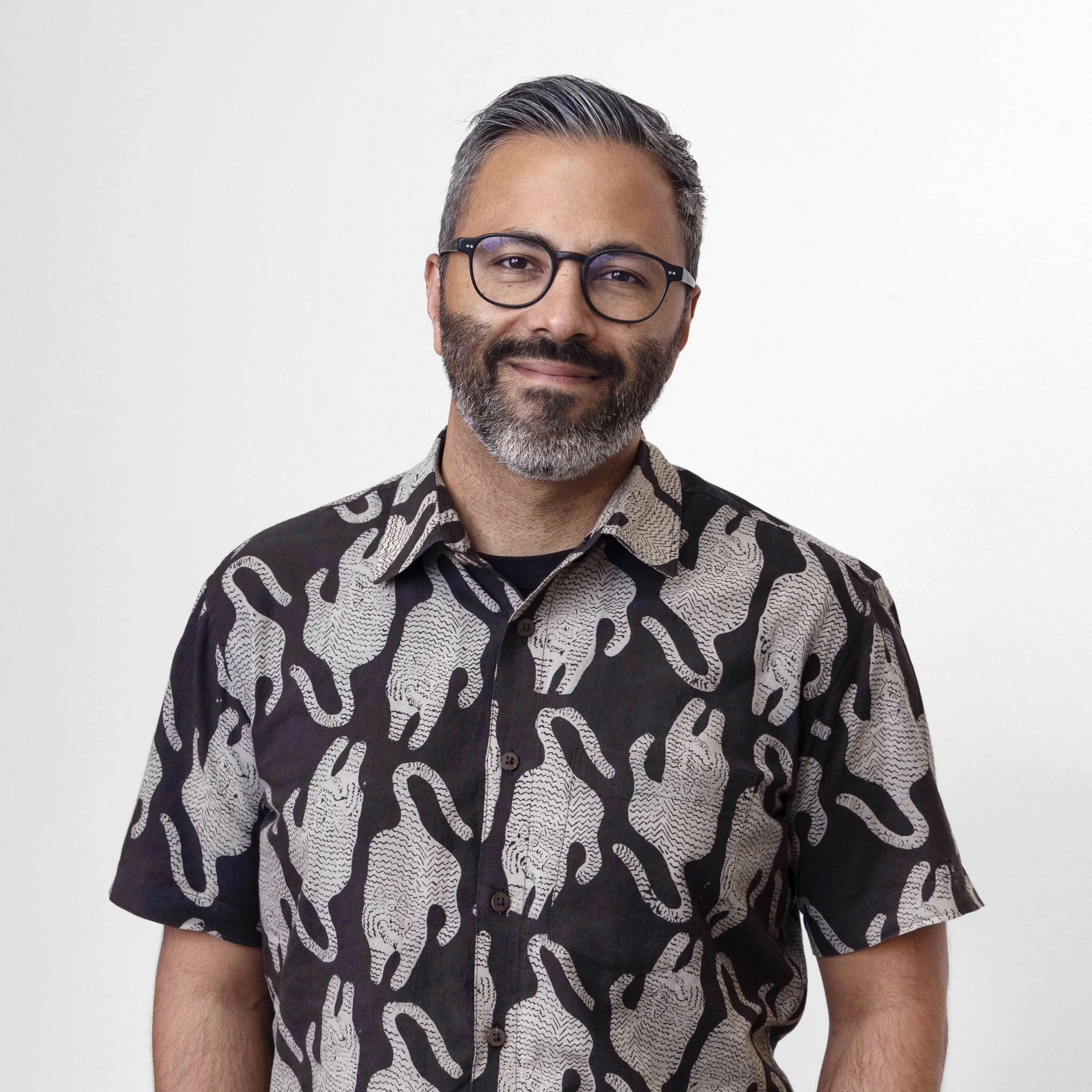
Matthew Raj Webb (he/him)
Lecturer in Anthropology and Interdisciplinary Programs
CUNY—City College of New York
I’m a cultural anthropologist, filmmaker, and curator. I study the fashion industry — not only the runways and red carpets, but the people and places that make it run: the factories, craft workshops, design schools, photography studios, and museum collections where clothing, images, and narratives take shape and travel. I’m interested in design as a practice of imagining the future, and in the workers whose hands and ideas shape what that future looks like.
Most of my fieldwork has been in India and the United States, tracing how creative knowledge moves between them — and how that movement gets caught up in larger questions about heritage, labor, and national identity. I draw on methods from visual and museum anthropology, media ethnography, and the anthropology of work, which is a long way of saying I do my research by watching, listening, filming, and spending time with people as they make things.
I joined the faculty at CUNY–CCNY in 2026, after completing my PhD at New York University and a Curatorial Fellowship at the Costume Institute of the Metropolitan Museum of Art. I am a 2026–27 ACLS Fellow.
My writing has appeared in journals — American Anthropologist (forthcoming), Visual Anthropology Review, Anthropology of Work Review, Museum Worlds, Current Anthropology, Film, Fashion & Consumption — along with edited volumes and online forums. My documentary films have screened in festivals, universities, and community contexts around the world.
Beyond my own research, I help build the kind of anthropology I want to see in the world: open, collaborative, and looking outward. I serve on the board of the Society for Visual Anthropology and co-founded MERiSA, a curatorial collaborative that brings together scholars, activists, and filmmakers working on South Asia and its diaspora. I'm also a Consulting Curator at the Henry Art Museum at the University of Washington.
RESEARCH
Behind the Seams: Fashion Design and Decolonial Politics in India
My first book draws on three years of ethnographic and archival fieldwork in New Delhi, Mumbai, and several smaller cities across Uttar Pradesh and Madhya Pradesh, alongside collections research in New York. It centers on the National Institute of Fashion Technology (NIFT), India’s government-run fashion academy, where students from across the country — many from marginalized caste, tribal, religious, and gender-nonconforming communities — train as designers under conditions of rising Hindu nationalist authoritarianism. I trace how “craft heritage” has become the central currency through which competing political projects stake their claims on Indian identity, and how young designers develop quiet, sophisticated strategies for layering materials and meanings: producing work that satisfies official requirements while embedding alternative visions of belonging. The research was supported by the Royal Anthropological Institute, the Smithsonian Institution, the Society for Visual Anthropology, and the Textile Society of America.
Design and Diplomacy
A second project recovers a less-told history of what I am calling “design diplomacy” in the mid-century. I am interested in how American and Indian women, working through the United Nations Technical Assistance Program in the 1950s and 60s, built textile and fashion exchanges that ran outside the usual Cold War scripts. These were quiet circuits of expertise — designers, weavers, museum curators, and home economists moving between Delhi, New York, San Francisco, and Seattle — and they shaped a vision of internationalism that the dominant geopolitical narrative tends to overlook. The project grew out of my fellowship at the Costume Institute of the Metropolitan Museum of Art and is unfolding through a forthcoming article, an exhibition at the Henry Art Museum, University of Washington, and a planned symposium.
Designing the Body
A third strand of work, developed across articles and a film, takes up the question of how the body itself becomes a design object. Retouch (2022), my documentary about three generations of professional photo retouchers in New York, follows the people whose craft produces the “perfect” skin and proportions we see in fashion magazines and ad campaigns. A companion article for Visual Anthropology Review extends an analysis of the moral questions that retouching (as a specialized photographic craft) has begun to raise as beauty standards shift toward “naturalness” and racial and gender inclusion. A forthcoming piece in American Anthropologist, examines a parallel project in India, focusing on the dynamics of design and anthropometric measurement. It follows a team of New Delhi designer-researchers working to replace the European-derived clothing size standards that have governed the country’s apparel industry since the 1980s. Together, these projects ask how the standards of what I call “embodied citizenship” — what type of embodied experiences the worn world of consumer commodities afford — become carriers of cultural and political value, and what it takes to remake them.

WRITING
ARTICLES / CHAPTERS
In press. “Compositing the Body: Ethical Expertise Among Professional Photographic Retouchers.” Visual Anthropology Review. (Special Section on “Inclusive Body Images: Visual Standards, Consent, Ethics”).
✱ Awarded the Hakken Prize, Committee for the Anthropology of Science, Technology and Computing.
In press. “Henna’s New Medium: Translating Color and Culture from Skin to Cloth.” Bloomsbury Encyclopedia of World Textiles, Vol 4: Colour, edited by C. Checinska, B. Parmar, R. Räisänen, and N. Stylianou. London: Bloomsbury. —with N. J. Shah.
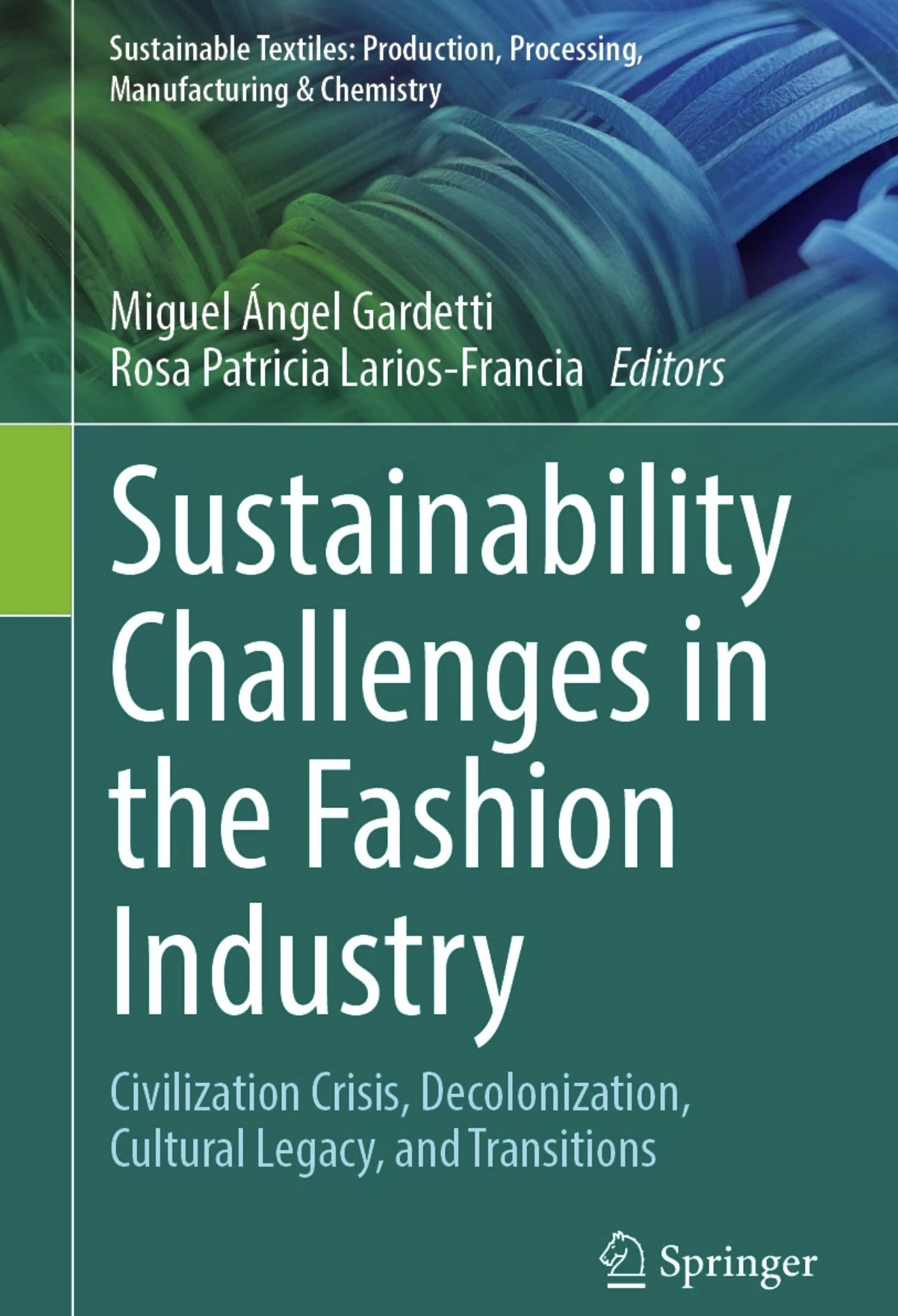
2023. “Artisans, Creativity, and Ethics: ‘Skill Regimes’ in a Mumbai Fashion Export House.” In Sustainability Challenges in the Fashion Industry, edited by M. A. Gardetti and R. P. Larios-Francia, pp. 279-300. Singapore: Springer.
https://doi.org/10.1007/978-981-99-0349-8_17
✱ Awarded the Curl Prize by the Royal Anthropological Institute.
✱ Awarded the Eric R. Wolf Prize by the Society for the Anthropology of Work.
SPECIAL ISSUES
In press. “Inclusive Body Images: Visual Standards, Consent, Ethics.” Visual Anthropology Review. —with papers by S. Sadre-Orafai, B. Barry, and myself.
REVIEWS / DIALOGUES
In press. “Dressing the Divine: A Dialogue on Indian Film and Television Costume Design with Nidhi Yasha.” Film, Fashion & Consumption. (Special Issue on “Indian Film Costume”, edited by C. Wilkinson).
2024. “The Weave of ‘Fashion Diplomacy’: Jarracharra at the National Crafts Museum, New Delhi.” Museum Worlds, 12: 181-240.
2024. “Jonas Tinius on his book, State of the Arts: An Ethnography of German Theatre and Migration, 2023.” CaMP Anthropology, February 6.
https://campanthropology.org/2024/02/05/jonas-tinius-on-his-book-state-of-the-arts/
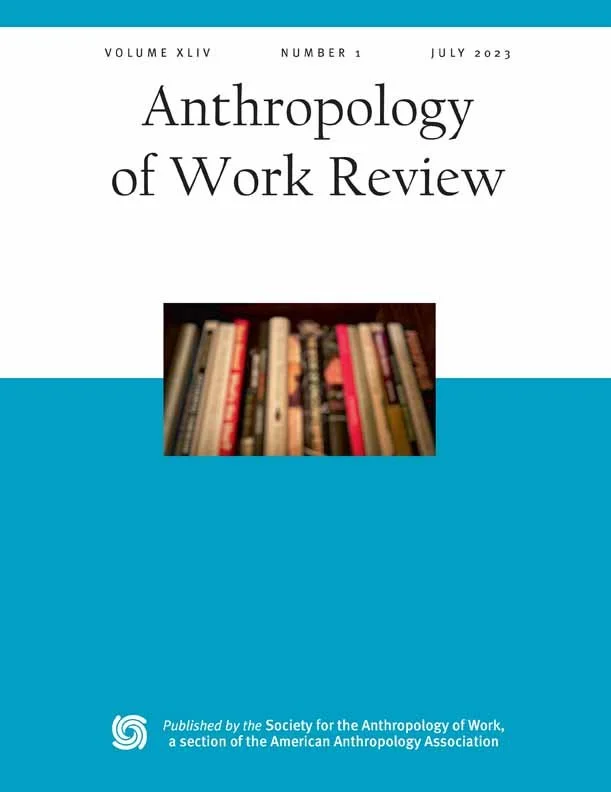
2023. “Threads: Sustaining India’s Textile Traditions. 58 min, 2022. Dirs., Katherine Sender and Shuchi Kothari. Watertown, MA: Documentary Educational Resources.” Anthropology of Work Review, 44(1): 48-51.
https://doi.org/10.1111/awr.12251
2021. “Brent Luvaas on his book, Street Style: An Anthropology of Fashion Blogging, 2016.” CaMP Anthropology, October 18.
https://campanthropology.org/2021/10/18/brent-luvaas-street-style/
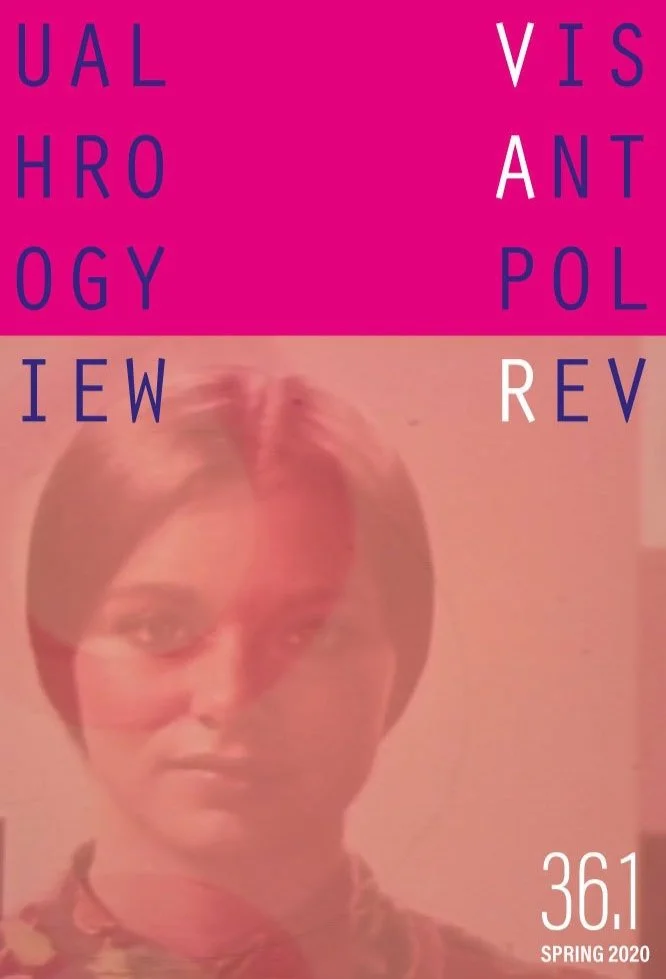
2020. “Fashioning Inclusion, Designing Internationalism: Pierre Cardin at the Brooklyn Museum.” Visual Anthropology Review, 36(1): 178-200. —with M. Yokobosky.
https://doi.org/10.1111/var.12202
CURATORIAL


FILM
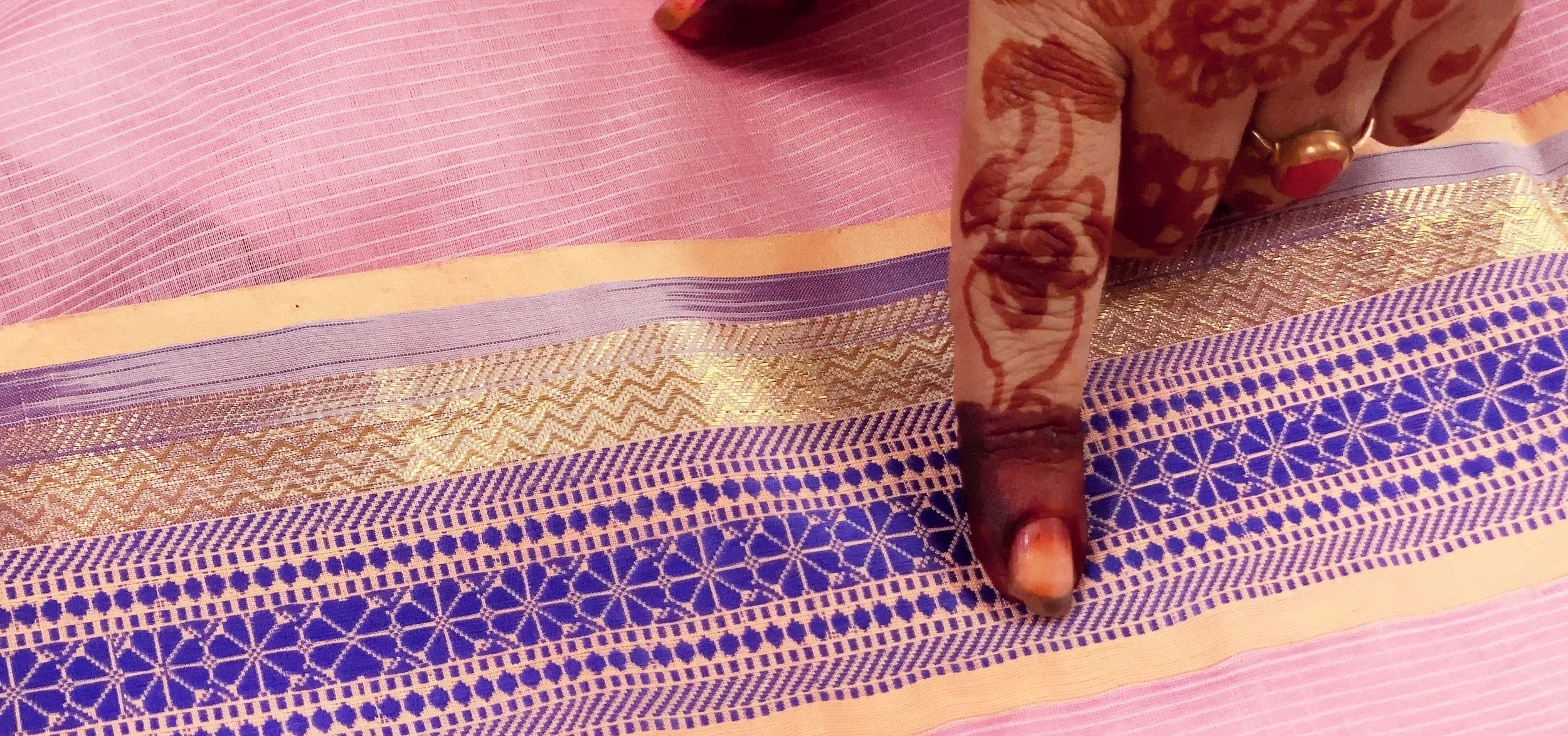
Making Maheshwari (working title)
(In production. 40 min. India. English, Hindi, and Nimadi with English Subtitles)
Maheshwar, a weaving community in central Madhya Pradesh, India, has evolved into a global textile hub since its patronage by Maratha Queen Ahilya Bai Holkar in the eighteenth century. The city embraces diverse people seeking social uplift through sari weaving, dyeing, and embroidering. However, today a heated discourse brews within the community, sparked by a government initiative to label Maheshwar-woven products with a Geographic Index tag—one in a suite of heritage policies promoted by global organizations like the World Intellectual Property Organization to govern regional artistic production. This documentary unfolds the traditions, everyday creative practices, and values of contemporary Maheshwari weavers, each offering their perspective on what defines an authentic Maheshwari product.
—with Dhanya Kolathur, Ertiqa Khan, and Ihaab Syed.
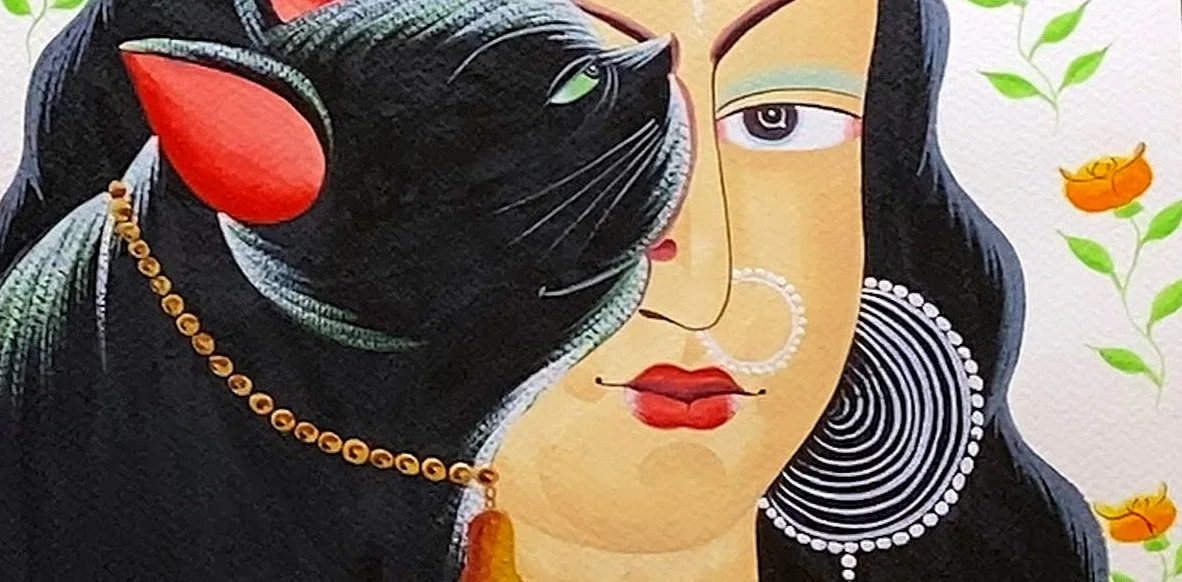

Bhaskar Chitrakar: Painting Kalighat Moderns
(2024. 11 min. India. Bengali and Hindi with English Subtitles)
Bhaskar Chitrakar is among the last remaining hereditary painters of the famed Kalighat temple tradition in Kolkata. From his unassuming home studio, he creates colorful and sensuous artworks that traverse global museums and art fairs. This short documentary explores Chitrakar’s painting style and eclectic sources of visual inspiration. We hear his perspectives about the decline of younger apprentices taking up painting work in his community, and his aspirations for the future of the craft. How has an artistic tradition that was once so deeply ensconced in Hindu religious mores and British colonial patronage become a site for modern secular social criticism? Chitrakar provides some of the answers, with characteristically wry humor. He takes us behind the scenes of the changing social and class landscapes of his beloved city, one painting at a time.
—with Rohan Sengupta, Ihaab Syed, and Nikita Shah.
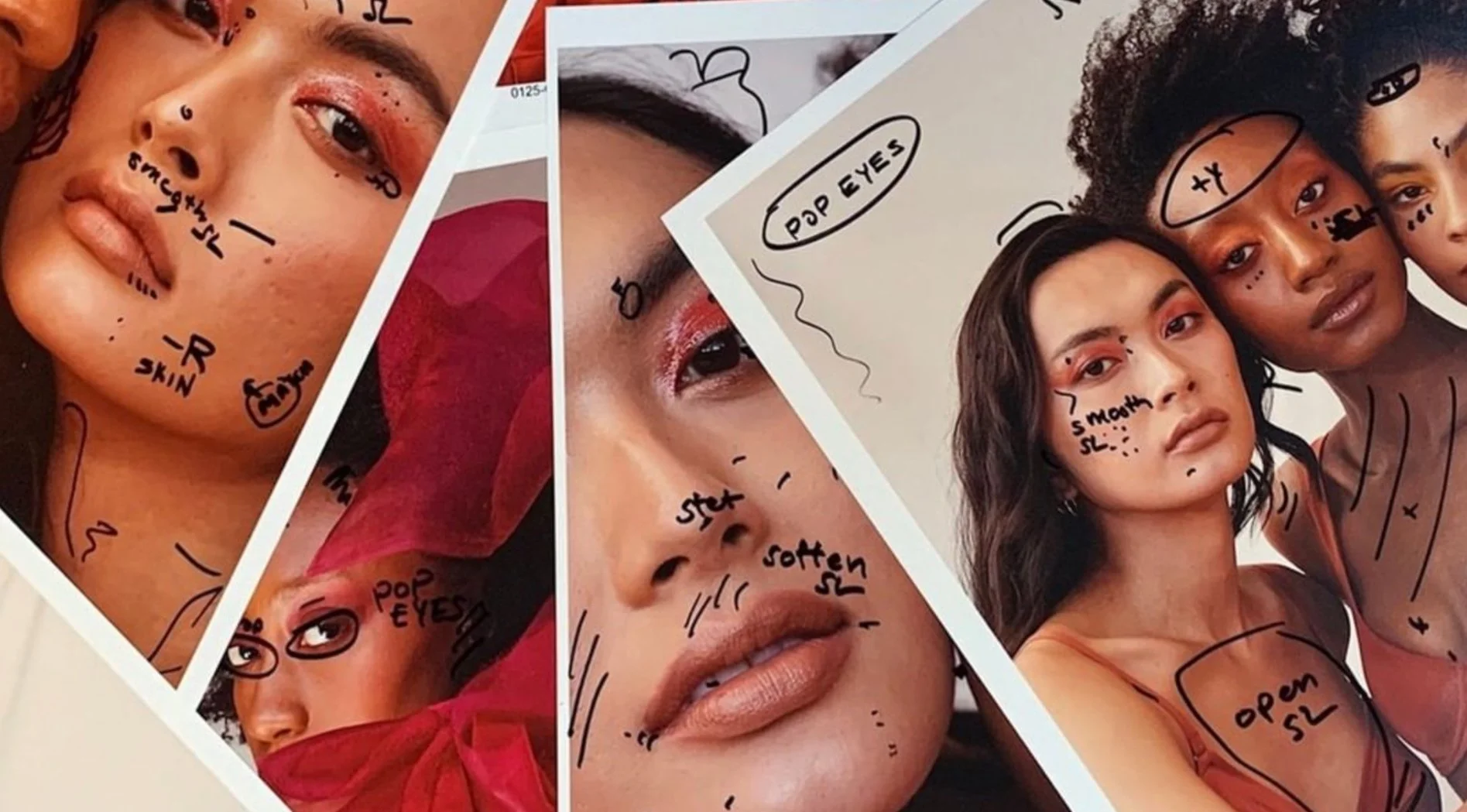



Retouch
(2022. 18 min. USA. English with English, Spanish, and Hindi subtitles)
How do the celebrities depicted in glossy magazines achieve glowing skin and “perfect” bodies? This short documentary sheds light on the highly covert world of professional image editing. Featuring interviews and technical demonstrations with three generations of New York City-based photo “retouchers,” the film unpacks their craft and work on campaigns for fashion brands such as Valentino and Dior, and celebrities like Naomi Campbell, Natalie Portman, and Salma Hayek. As beauty standards evolve to embrace more “natural” looks and greater diversity, Retouch asks why retouching persists, highlighting the growing moral tensions between retouchers, their advertising clients, and consumers.
For more information see: www.retouchfilm.com
CONTACT
I welcome informal conversations about any of the above topics, as well as mentorship enquiries from students.
Email me at matthew dot webb at nyu dot edu.
You can also find me on Instagram.